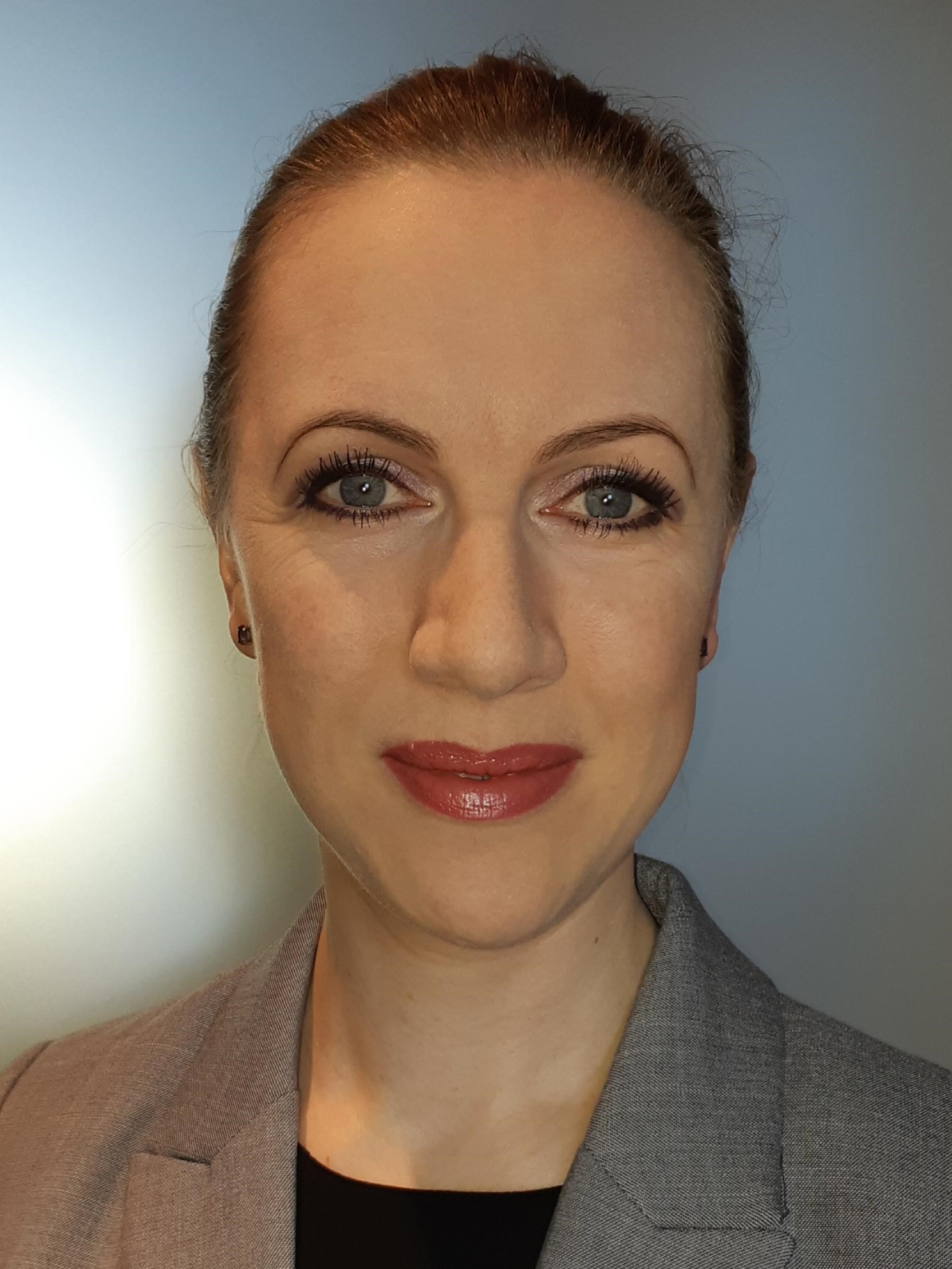
 Our ‘Great companies, great stories’ series, shines a light on organisations getting it right with their people. Since the Covid crisis, wellbeing has never been higher on the ‘people’ agenda. This week we spoke to Becky Thoseby, Head of Workplace Wellbeing at the Ministry of Justice to hear about what they’ve been doing to help and support their people.
Hi Becky, it’s great to talk to you. We’ve recently been hearing a lot about your ‘Keeping well’ programme – would you be able to tell what it is and how it came about?
Sure. As we all know, the health-related impact of Covid has been about more than the initial illness. Mental health and general wellbeing have taken a hit, and more than ever, we need to support those around us.
We were already pulling together information for our employees, but so much out there was just focused on the mechanisms, like washing your hands and wearing a mask – even the resources around wellbeing were just looking at mental health, whereas we know wellbeing is about much more than that – we needed to focus on real people.
We wanted to provide something for every individual, creating in essence a menu of tools, resources and information. It’s not about giving everything to everyone, but providing options, and creating a space for people to find what they need – like a toolkit.
We know we can’t respond to the crisis with a one-size fits-all approach, so this sounds ideal. Can you tell us a little bit more about what sort of things you’ve included in this?
Well, on the microsite we have all sorts – like I say, there’s something for everyone! So, we have everything from support for loss and grief, financial, resilience, sleep, faith, menopause, how to stay connected with friends and family, leading a team remotely, mindfulness and so much more! We even have links for fun things for people to do online – such as museum tours from your living room!
The content has been written by people from within the MoJ – and in some ways having it peer-to-peer has made it feel more real and inclusive. That said, we’ve really utilised peoples’ skills and expertise, so for example, the section on loss and grief has been written by someone who is a qualified bereavement councillor.
Sounds like a huge project – how do you manage pulling something like this together?
I think it’s really important to note, it wasn’t perfect on the day we launched it. We knew that people needed stuff straight away, so we launched it with the bare minimum and we’ve just kept adding to it and watched it grow.
I think that’s a great message actually – all too often we wait too long to make things perfect. Can you tell us about some of the other initiatives that have sat under the ‘Keeping well’ programme?
We’re also holding regular webinars – created for employees by employees. Each one has been a different theme and there’s complete creative freedom.
We’ve been serious, and we’ve had fun. There have been activities and exercises. We’ve made things together, we’ve listened, and we’ve talked.
Overall, it’s created a real a sense of community. People have been sharing their own personal experiences. It’s their time and not just something owned by someone in HR or Internal Comms.
One of the other things we launched is a toolkit for wellbeing conversations. We realised very quickly that managers and employees were suddenly having to have conversations about health conditions and concerns that they’d never had to have before, and if we’re honest, our managers just weren’t equipped to deal with them.
So, this toolkit brought everything together to help and support both managers and employees to have these conversations. This includes tips to remember, strategies and resources but perhaps most importantly, it helps both parties to take ownership and responsibility for their health and wellbeing action plan.
Is there any one tip from that toolkit that you can share with us?
Yes, and I know it’s something People Lab promote already – take a strength-based approach. So rather than just focusing on what needs to happen when you’re not doing so well (which is still important!), also make sure you ask the question ‘what do you need to thrive?’
Yes! That’s so important. What has the initial feedback been like for this programme?
The feedback has been overwhelmingly positive. It’s very new and different to what we’ve ever done before, but I think there’s be a huge amount we’ll keep moving forward.
Another measure of its success is that was adopted across the whole of the MoJ. Our prison staff have restrictions on accessing our intranet – but they created their own version of the site so they could still access all the resources, but on their personal devices, in their own time. It shows how much value our people put on this sort of thing, so much so that they want to access the content in the context of their real lives.
As we move forward we’ll review everything again, looking at what we started during this time which we want to keep (or stop), and what did we stop which we might want to pick up again.
Thank you, and finally Becky, what advice would you give to someone else in this space?
Wellbeing isn’t just about giving away free fruit and gym memberships. It needs to be about choice – we need to understand people as individuals, and their needs.
We should all be taking a human-centred approach. We have many different people here, many different needs and different levels of comfort – let’s remember that whilst for some, working from home has been great, for others, it’s been horrendous.
So, don’t make assumptions, talk to each other, share experiences, find out what people need – to improve their wellbeing, and to thrive!