There are certain phrases that send a chill down my spine: rail replacement bus service, ‘it’s fancy dress’ and ‘shall we have a zoom quiz’ to name a few. Until recently, being asked to produce a prototype was another.
My fear of prototyping stems from a childhood filled with Blue Peter ‘make and do’ disappointments. If you’re of a certain age, you’ll remember how the presenters would make an amazing hairdressing salon for your barbie doll using nothing more than a cardboard box, an old fairy liquid bottle and some sticky-backed plastic (which was incredibly hard to get hold of in 1980s Shropshire!).
I would collect the component parts for my latest project over weeks and then carefully try to recreate their vision. If Pinterest fails had been a thing back then, my creations would’ve gone viral. It’s still the same today. In my head I have this brilliant vision for whatever it is I’m creating, but the reality is often a million miles away. Unfortunately I couldn’t find a photo of the dino birthday cake complete with volcano I made for my son a few years ago, which is a shame because we could all do with a laugh right now.
But, what on earth does this have to do with prototyping? Well, when asked to produce a prototype, I feel pressured into creating some thing akin to an architect’s model of a new state-of-the-art museum. Or some street art Banksy would be proud of. Or even a decent lego model my 12 year old would build on a wet weekend. But I have been missing the point, as our brilliant Reset Show guest Carlye Lauff explained.
Carlye has a PhD in prototyping so if anyone could get me over my fear it was her! First up, the purpose of a prototype is to communicate an idea, test it out, and enable feedback on it – not to win a design award!
Clearly prototyping is a really useful tool in our line of work. Being able to test out ideas and learn from them is a no-brainer and ensures we focus on the right things. It can also help to ensure a more human-centred approach to EX and engagement, given we can test out our ideas with the people they will actually impact. Goodbye ivory tower approach to designing EX and increasing engagement.
Carlye talked about prototyping being a scary word for some people (me) and she shared some great ideas to get started. Check out her prototyping canvas here which I have already used and has helped me get over my mental block about prototyping.
She talked about prototyping as having a bias for action, which I love. So often we have great ideas at work, which stay as ideas because the thought of turning them into reality is too overwhelming. Prototyping can help us to take small, manageable steps towards turning an idea into reality, and understand if it’s got legs.
Carlye also talked about the role of growth-mindset in prototyping. Failure is still a dirty word in many organisations and to prototype in a meaningful way, this needs to change.
She cited Dyson, who proudly state that it took 5000 prototypes to get to the Dyson vacuum cleaner we know and love. Depending on your mindset, that could be viewed as 5000 failures, or as dedication to getting it right.
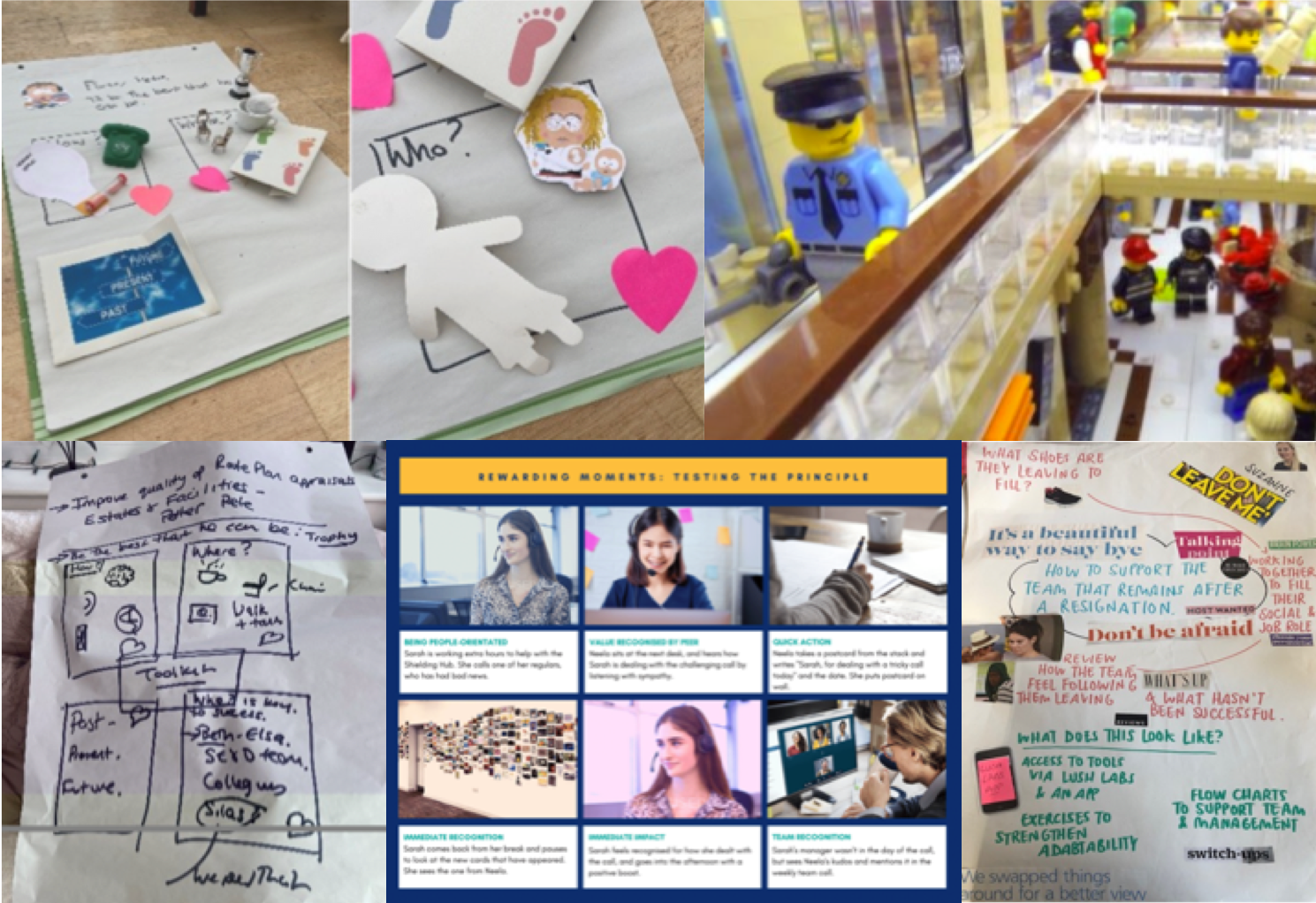
There are a whole heap of tools out there to help you prototype, as mentioned the prototyping canvas is a great place to start. We have a chapter dedicated to using prototyping when designing your employee experience in our upcoming book. In our EX by Design course we ask delegates to prototype their ideas. We’ve had over 100 people go through the course now and some amazing prototypes shared, from storyboards, to models, to posters and even role-plays. And we know that many of these prototypes are now being worked into solutions and in the process of being implemented.
We’d love to hear about your experience of using prototyping. Right now I’m off to finish my prototype for the Reset Lab – watch this space!