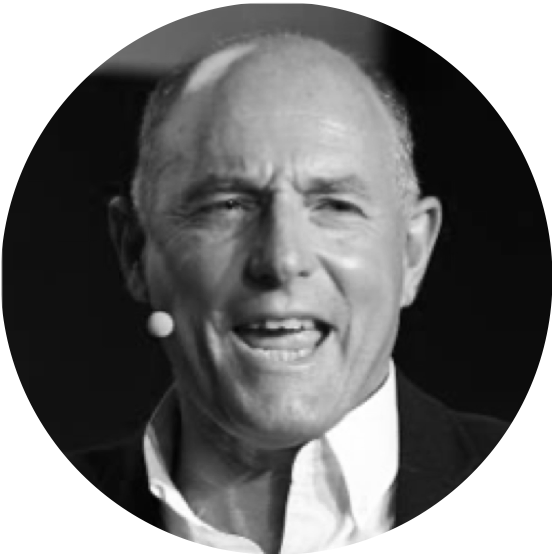
 On our recent Reset Show we were delighted to be joined by Geoff McDonald, who is a leading light in the campaign to address the stigma associated with mental health in the workplace.
Talking openly about our mental health seems more relevant now than ever before. The World Health Organisation defines health as a state of complete physical, mental and social well-being and not merely the absence of disease or infirmity. This definition has been around for many years and yet promoting health in the workplace still tends to focus on the physical aspects. In addition, whilst health and safety at work is nothing new, the emphasis is often placed on safety, rather than on health. And when organisations put in place efforts to promote holistic health, this often results in a tactics such as well-meaning ‘wellbeing’ weeks, rather than on genuinely viewing employee health as a strategic priority.
The business case is well-developed. We know that when our people are healthy at work it benefits everyone. A healthier workforce (in the holistic sense) isn’t simply about avoiding sickness and absenteeism. When we have a healthier workforce, individuals enjoy a better work experience, they are happier, customers have a better experience, and of course the organisation enjoys improved performance. So why aren’t companies giving the health of their people the same priority as other more established strategic drivers?
This can partly be explained by our focus on the ‘medical model’ of health. That is we often only see health as important, only when it is broken and in need of fixing. Interventions such as employee assistance programmes, occupational health and similar, are of course a vital aspect of the employee deal, but often only kick in once employees reach breaking point.
We need to be able to have an open dialogue about how we are feeling at work way before this point. And to do this, the stigma of experiencing mental health problems needs to be addressed. We would not expect to go through life without experiencing physical illness, from a mild cold to more serious illnesses, so why do we not have the same mindset when it comes to our mental health?
We asked Geoff what needs to happen to change this? His first response was that we need to be more open about our experiences with mental health. On the show Geoff told his story of experiencing a panic attack for the first time. Hearing his story was moving, and emotional and will stay with me for a long time. Geoff pointed out that it is pretty rare to hear senior leaders share their experiences of mental health, but the world of work would be a better place if they could be encouraged to do this.
In starting conversations about mental health at work, the stigma begins to be removed. Sharing personal stories of mental health can of course include how friends, family, and work colleagues have been impacted too.
Geoff also talked about the need for more education on wellbeing; at school, at work and beyond. Understanding more about mental health and wellbeing again contributes to removing the stigma associated, which is often the result of a fear of the unknown.
Ultimately we need to find ways to ensure health and wellbeing at work isn’t reduced to the annual wellbeing month, free fruit and gym membership. We need to understand how we can genuinely place the wellbeing of our people on the strategic plan.
If you are interested in developing your understanding of wellbeing , then you can download our free Wellbeing Toolkit – sign up here